Luxury Virtual Staging for High-End Properties: The Complete Guide for 2026
Rafi Baig
February 9, 2026 · 12 min read
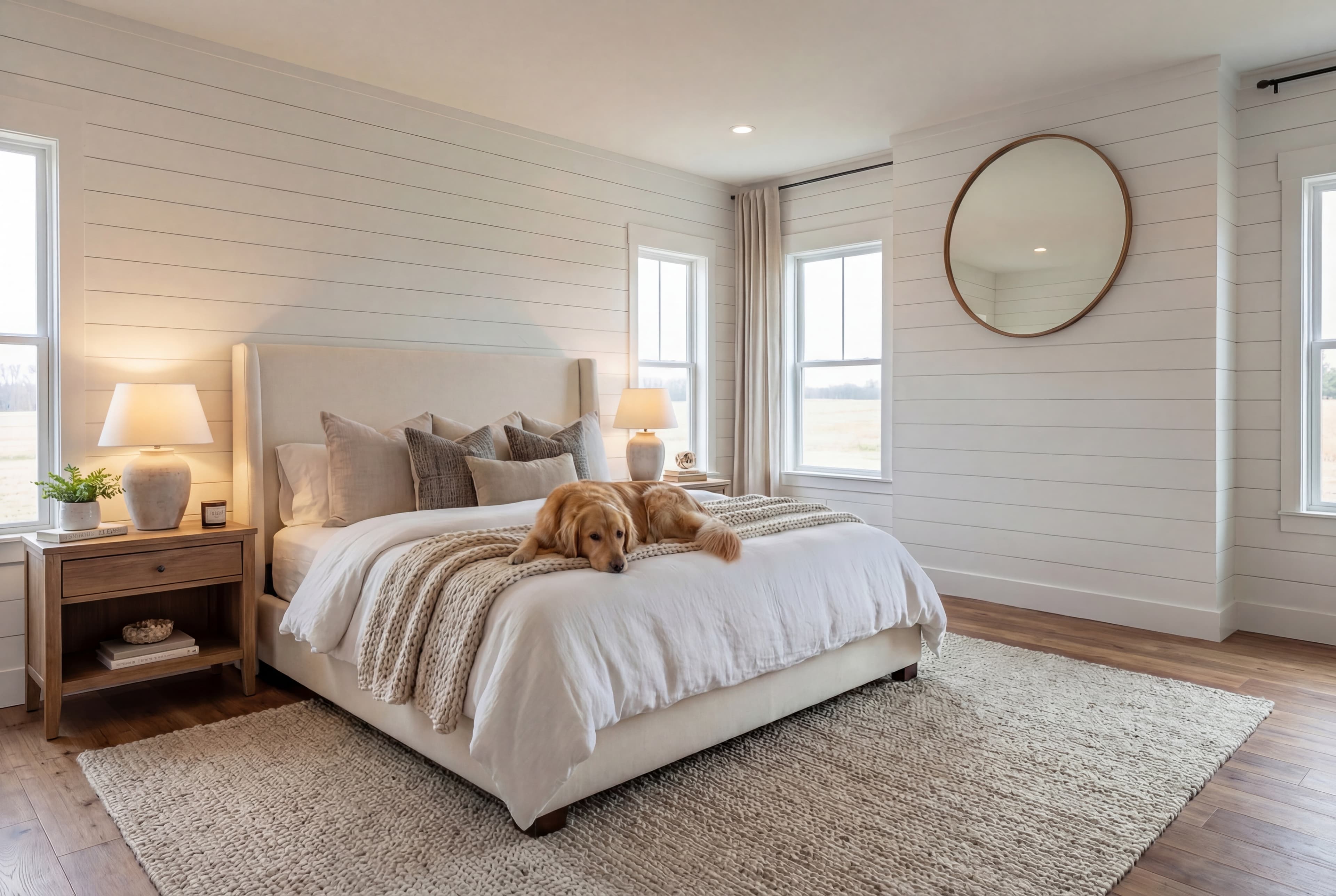
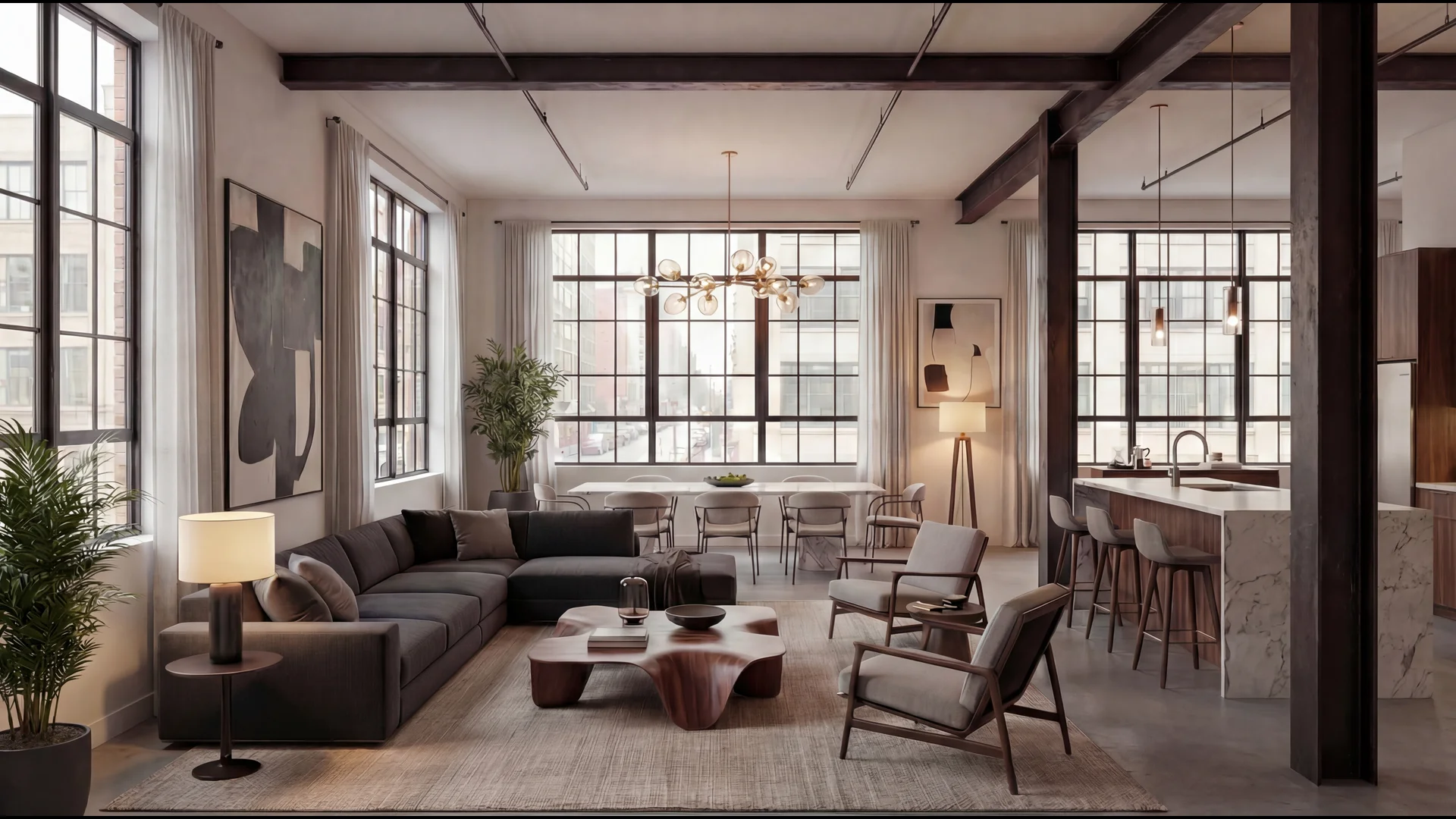
Luxury virtual staging is high-end digital staging that uses premium furniture brands, designer-quality renderings, and sophisticated styling to market properties valued at $1 million or more. Unlike standard virtual staging, luxury staging matches the aesthetic expectations of affluent buyers—creating aspirational imagery that justifies premium price points.
If you're listing luxury properties and wondering whether virtual staging works for the high-end market, this guide covers everything: why it works, how it differs from standard staging, what to look for in a luxury staging service, and how to execute it correctly.
Table of Contents
- What Is Luxury Virtual Staging?
- Why Luxury Properties Need Different Staging
- Luxury Virtual Staging vs Standard Virtual Staging
- The ROI of Staging High-End Listings
- What Makes Virtual Staging Look "Luxury"
- Best Room Types to Stage in Luxury Homes
- Design Styles That Appeal to Affluent Buyers
- Common Mistakes That Kill Luxury Listings
- How to Choose a Luxury Virtual Staging Service
- Luxury Virtual Staging for New Construction
- MLS Compliance for Virtually Staged Luxury Listings
- FAQ
- Sources
What Is Luxury Virtual Staging?
Luxury virtual staging transforms empty or poorly furnished high-end properties into aspirational living spaces using digital furniture and decor.
The key difference from standard staging is quality. Luxury staging uses furniture models sourced from premium brands—think Restoration Hardware, Roche Bobois, B&B Italia—rendered with photorealistic lighting, shadows, and textures that affluent buyers expect.
According to the National Association of Realtors, luxury real estate is typically defined as homes in the top 10% of their local market. In markets like San Francisco or New York, that threshold exceeds $3 million. In smaller markets, it might start at $750,000.
Regardless of the exact price point, luxury buyers share common expectations: sophistication, exclusivity, and homes that already reflect their lifestyle. Generic staging with basic furniture fails to meet these expectations.
Luxury virtual staging bridges the gap between an empty property and the aspirational lifestyle wealthy buyers are purchasing.
Why Luxury Properties Need Different Staging
Standard staging advice tells you to use neutral colors and broadly appealing furniture.
That advice works for median-priced homes targeting the widest possible buyer pool.
It fails completely for luxury properties.
Here's why:
Affluent buyers aren't looking for a blank canvas. They want a home that already reflects their sophisticated taste. Walking into empty rooms—even beautiful empty rooms—forces them to do imagination work. At the $2 million+ price point, buyers expect the vision to be presented to them.
Generic staging looks cheap in expensive homes. Flat beige walls and forgettable furniture make million-dollar properties feel underwhelming. If the staging doesn't match the architecture's quality, buyers subconsciously question the home's value.
Luxury buyers make decisions emotionally. According to NAR's 2025 Profile of Home Staging, 83% of buyers' agents said staging helps buyers visualize the property as a future home. For luxury buyers spending millions, that emotional connection is even more critical.
Empty rooms photograph poorly. High ceilings and expansive floor plans—selling points in person—look cold and uninviting in photos. Without furniture for scale, rooms appear smaller than they are. Buyers scroll past.
Physical staging for luxury properties costs $10,000 to $100,000+. Luxury virtual staging delivers comparable visual impact starting under $100 for an entire property.
Related Reading:
- Virtual Staging vs Physical Staging: Which Is Right for Your Listing in 2026?
- The Complete Guide to Virtual Staging for Real Estate in 2026
Luxury Virtual Staging vs Standard Virtual Staging
Not all virtual staging is created equal. Here's how luxury staging differs from standard services.
Furniture Quality
Standard staging uses generic 3D furniture models that work across price points. The pieces are functional and inoffensive but forgettable.
Luxury staging uses furniture modeled after high-end designer pieces. The sofa isn't just "a sofa"—it's a recognizable silhouette that affluent buyers associate with quality. Accessories include art, sculptures, designer lighting, and curated decor.
Rendering Realism
Standard staging sometimes produces images that look obviously digital. Furniture floats slightly above floors. Shadows don't match the room's lighting. Proportions feel off.
Luxury staging requires photorealistic rendering. Fabric textures are visible. Lighting matches the room's natural light sources. Shadows fall correctly. The result should be indistinguishable from a photograph of a physically staged room.
Design Expertise
Standard staging follows templates. Upload a living room, get a living room layout.
Luxury staging considers the architecture, the target buyer demographic, and the home's unique features. A mid-century modern home in Palm Springs gets different staging than a traditional estate in Greenwich.
Price Point
Standard AI virtual staging starts under $1 per image.
Luxury virtual staging from traditional providers ranges from $50-150+ per image due to the additional design expertise required.
However, AI-powered platforms like StageChimp now offer luxury-quality 4K photorealistic staging at standard pricing—delivering high-end results without the premium cost.
The ROI of Staging High-End Listings
Does staging actually move the needle on luxury properties?
The data says yes.
According to the Real Estate Staging Association (RESA), staged homes spend 73% less time on the market compared to non-staged properties.
NAR's 2025 Profile of Home Staging found that 20% of sellers' agents reported staging increased the sale price by 1-5%, with 10% seeing increases of 6-10%.
On a $3 million property, even a 1% increase equals $30,000—far exceeding any staging investment.
But the bigger impact is speed. Luxury properties that sit on the market lose perceived value. Buyers wonder what's wrong. Price reductions follow.
Virtual staging gets your listing live faster with compelling imagery that stops the scroll. For luxury agents managing a portfolio of high-end listings, the cumulative impact on days-on-market and final sale prices is substantial.
The math on a $2 million listing:
- Physical luxury staging: $15,000-50,000
- Luxury virtual staging (10 rooms): $10-100 with AI platforms
- Potential price impact (conservative 1%): $20,000
- ROI: Effectively infinite
Related Reading:
- 27 Home Staging Statistics Every Real Estate Agent Needs to Know in 2026
- Virtual Staging Statistics 2026: The Definitive Data
What Makes Virtual Staging Look "Luxury"
Several elements separate luxury-quality staging from generic staging.
Scale and Proportion
Furniture must fit the room's scale. In luxury homes with 12-foot ceilings and expansive floor plans, standard-sized furniture looks lost. Luxury staging uses appropriately scaled pieces that fill the space without overcrowding.
Cohesive Design Language
Every piece should feel intentional. The coffee table relates to the sofa. The lighting complements the architecture. Accessories tell a story. Random furniture placement reads as cheap regardless of the individual pieces.
Texture and Material Variety
Flat, textureless renderings look artificial. Luxury staging includes visible fabric textures, wood grain, metal finishes, and material variety that catches light realistically.
Curated Accessories
Bare furniture isn't staging—it's a furniture catalog. Luxury staging includes books, art, plants, throws, and decor that make spaces feel lived-in by someone with excellent taste.
Architectural Harmony
The staging style must match the architecture. Modern staging in a Tudor home looks wrong. Traditional furniture in a glass-walled contemporary feels dated. Luxury buyers notice these mismatches.
Lifestyle Storytelling
Beyond furniture placement, luxury staging suggests a lifestyle. The wine glasses on the outdoor terrace. The coffee table book collection. The cashmere throw on the reading chair. These details help buyers imagine themselves living there.
Best Room Types to Stage in Luxury Homes
Not every room needs staging. Focus your budget on the spaces that drive buyer decisions.
Living Room (Essential)
The living room sets the tone for the entire home. It's typically the hero shot in your listing photos. Stage this room first, always.
For luxury homes, consider staging multiple seating areas if the floor plan supports it. Show conversation groupings, reading nooks, and entertainment zones.
Primary Bedroom (Essential)
After the living room, the primary bedroom is the most viewed room in any listing. Luxury buyers expect to see a retreat—not just a bed.
Include nightstands, seating, and aspirational accessories. Show the room's potential as a sanctuary.
Kitchen (Situational)
Kitchens in luxury homes are often already stunning. If the kitchen is empty or dated, staging can help. But if it features high-end finishes and appliances, sometimes minimal styling (fruit bowl, flowers) works better than full staging.
Dining Room (Recommended)
Formal dining rooms are less common in modern floor plans but remain important in luxury properties. Stage to show the room can accommodate entertaining—particularly important for buyers who host frequently.
Home Office (Recommended)
Since 2020, the home office has become a priority for luxury buyers. If the property has a dedicated office or flex space, stage it. Show the room's potential for remote work.
Outdoor Living Spaces (High Impact)
Terraces, patios, covered porches, and pool areas are major selling points for luxury homes. Virtual staging can add outdoor furniture, fire pits, dining setups, and landscaping elements that show year-round livability.
Specialty Rooms
Wine cellars, media rooms, gyms, and libraries deserve staging if they're featured spaces. These rooms sell lifestyle, and empty specialty rooms confuse buyers about their purpose.
Related Reading:
- How to Virtually Stage a Listing Photo in Under 10 Minutes
- Why Your Listing Photos Aren't Getting Clicks (And How to Fix It Fast)
Design Styles That Appeal to Affluent Buyers
Different luxury markets favor different aesthetics. Match your staging to your buyer demographic.
Modern/Contemporary
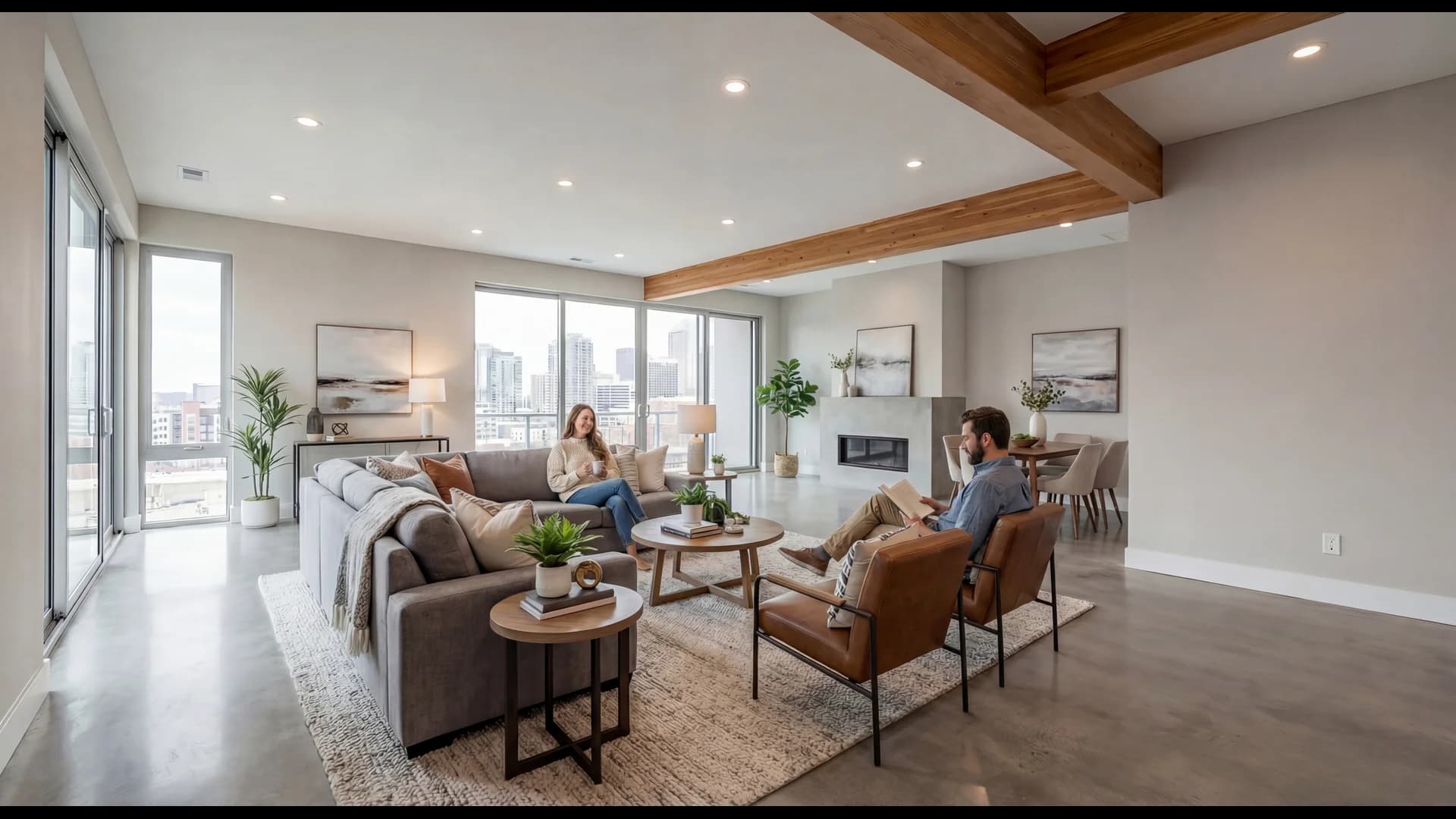
Clean lines, minimal ornamentation, neutral color palettes with bold accents. Popular in urban markets, new construction, and with younger affluent buyers. Works well in homes with open floor plans and floor-to-ceiling windows.
Transitional
Blends traditional and contemporary elements. Classic silhouettes with updated materials and finishes. Appeals to the broadest range of luxury buyers—sophisticated but not polarizing.
Coastal Luxury
Light colors, natural materials, relaxed elegance. Essential for waterfront properties and beach communities. Think Hamptons or California coastal aesthetic—not themed or kitschy.
Traditional/Classic
Formal furniture, rich colors, antique-inspired pieces. Works for historic homes, established neighborhoods, and buyers who value timeless design over trends.
Mid-Century Modern
Iconic furniture shapes from the 1950s-60s, organic forms, bold color pops. Perfect for architectural homes of that era and buyers who appreciate design history.
Farmhouse Luxury
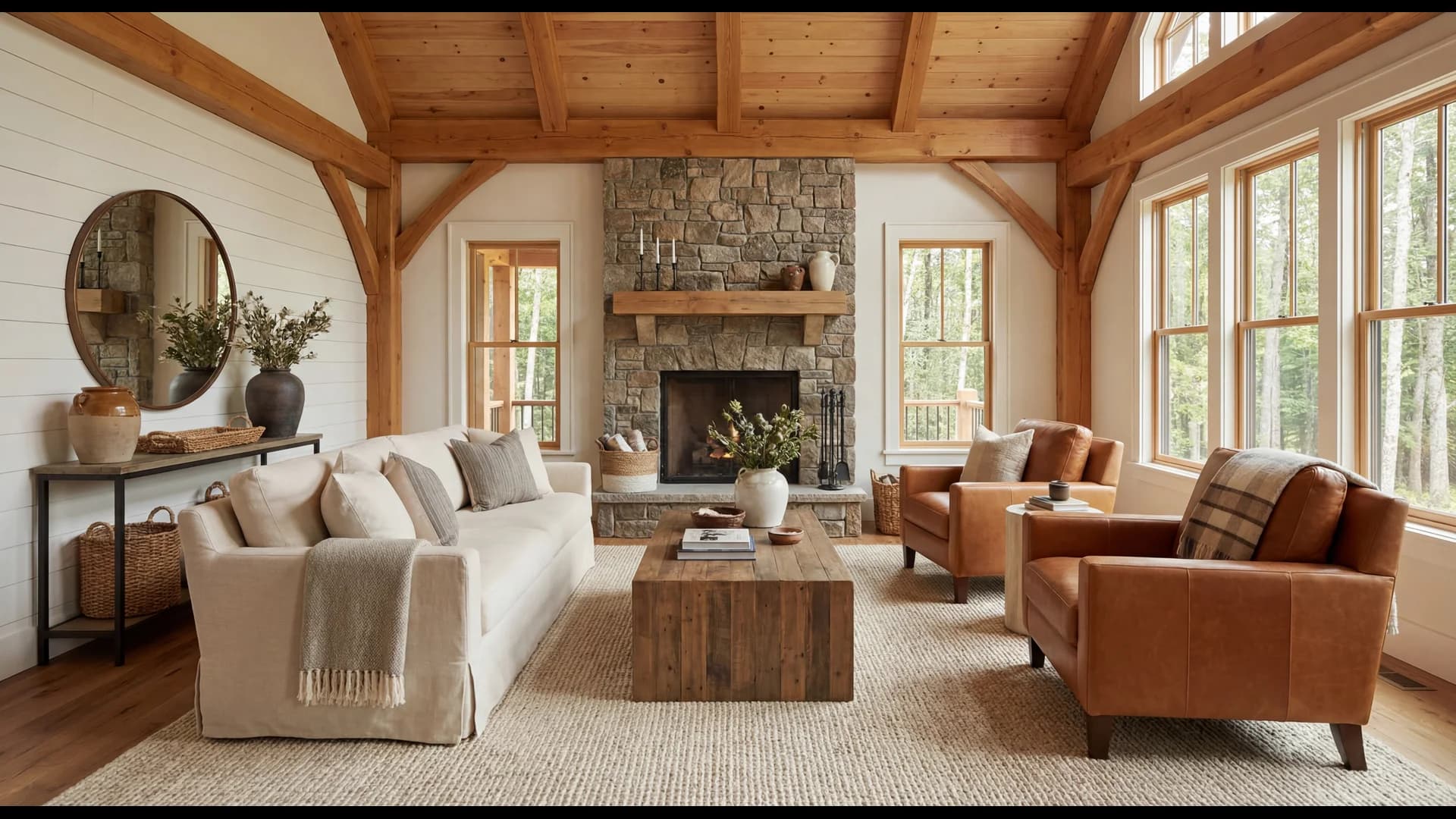
Refined rustic elements—reclaimed wood, natural textures, comfortable elegance. Works for estate properties, homes with acreage, and markets outside major urban centers.
Mediterranean
Warm tones, natural materials, indoor-outdoor flow. Appropriate for Spanish Colonial, Italian-influenced, or Mediterranean-style architecture common in California, Florida, and the Southwest.
When in doubt, transitional styling appeals to the widest luxury audience while still feeling elevated.
Common Mistakes That Kill Luxury Listings
Avoid these errors when staging high-end properties.
Using Standard-Quality Staging
Generic virtual staging stands out immediately in a luxury listing. If the staging looks like it could appear in a $400,000 property, it undermines the perception of a $4 million home.
Ignoring Architectural Style
Modern furniture in a traditional home (or vice versa) creates cognitive dissonance. Buyers may not articulate why, but the listing will feel "off" and fail to connect emotionally.
Over-Staging
Cluttered rooms feel smaller and less luxurious. Wealthy buyers value quality over quantity. Edit ruthlessly—every piece should have a purpose.
Under-Staging
The opposite problem: too little furniture makes rooms feel cold and uninviting. Large luxury rooms need appropriately scaled furniture groupings.
Poor Photo Quality
Luxury virtual staging requires high-resolution source photos. Smartphone photos with poor lighting undermine even excellent staging. Invest in professional photography first.
Inconsistent Styling Across Rooms
Each room should feel like part of the same home. If the living room is modern and the bedroom is traditional, buyers get confused. Maintain a cohesive design thread throughout.
Forgetting Outdoor Spaces
Luxury buyers pay a premium for outdoor living. Leaving terraces, pools, and patios un-staged wastes a major selling opportunity.
Obvious Digital Artifacts
Floating furniture, mismatched shadows, or distorted proportions immediately signal "virtual staging" to savvy buyers. Quality control matters.
How to Choose a Luxury Virtual Staging Service
When evaluating staging providers for high-end listings, consider these factors.
Portfolio Quality
Review their luxury staging examples specifically. Anyone can stage a basic living room. Can they handle a 3,000 square foot great room with 20-foot ceilings?
Resolution and Realism
Luxury listings deserve 4K resolution images. Check that output quality matches the premium price point of your listing.
Design Expertise
Do they understand architectural styles and design principles? Or do they just drop furniture into rooms? The difference shows in the final product.
Turnaround Time
Luxury listings often move quickly. AI-powered platforms like StageChimp deliver results in under 30 seconds. Traditional human-edited services take 24-48 hours.
Furniture Removal Capability
Many luxury properties are partially furnished with the seller's belongings. Can the service remove existing furniture and replace it with staging? This capability is essential for occupied luxury listings.
Price-to-Quality Ratio
High prices don't guarantee quality. Some premium services charge $100+ per image for results you can achieve with AI platforms for under $1. Review portfolios before assuming expensive means better.
Try StageChimp free with 5 images per month: stagechimp.com
Luxury Virtual Staging for New Construction
New construction and pre-sale properties benefit enormously from virtual staging.
The Challenge:
Developers need to market properties before they're built or while they're under construction. Model units are expensive to furnish and maintain. Buyers struggle to visualize empty concrete shells as finished homes.
The Solution:
Virtual staging allows developers to show finished, furnished interiors based on architectural renderings or early construction photos. Buyers can see exactly how the space will live.
Best Practices for New Construction:
Stage multiple units with different styles to appeal to various buyer personas. A modern staging and a transitional staging of the same floor plan gives buyers options.
Show different uses for flex spaces. Stage a room as an office in one image and a nursery in another.
Update staging as construction progresses. Replace renderings with photos of actual finishes as they're completed.
Include lifestyle shots: staged outdoor spaces, rooftop terraces, and amenity areas that may not exist yet.
For luxury developments, virtual staging is now standard practice—not an optional enhancement.
Related Reading:
- 9 Real Estate Marketing Trends Dominating 2026
- How to Sell a Vacant Home Fast: 7 Proven Strategies for 2026
MLS Compliance for Virtually Staged Luxury Listings
Virtual staging is permitted on virtually all MLS platforms with proper disclosure.
Disclosure Requirements:
Most MLSs require virtually staged photos to be clearly labeled. Common approaches include:
- Text overlay stating "Virtually Staged"
- Caption or photo description noting staging is digital
- Inclusion of both staged and un-staged versions of each room
Check your local MLS rules for specific requirements. Some MLSs are more restrictive than others.
Why Disclosure Matters for Luxury:
Affluent buyers are sophisticated. They'll recognize virtual staging—and they'll appreciate the transparency of proper disclosure. Attempting to pass virtual staging as real risks damaging your reputation with high-net-worth clients.
The goal isn't to deceive. It's to help buyers visualize potential. Proper disclosure maintains trust while delivering the marketing benefits of staging.
Best Practice:
Include both staged and un-staged photos in your listing. Lead with the staged images to capture attention, then provide originals so buyers can see the actual condition.
Related Reading:
- 7 Best Virtual Staging Software Tools for Real Estate in 2026
- StageChimp vs BoxBrownie vs Styldod: The Complete Comparison
FAQ
Does virtual staging work for luxury properties?
Yes. Virtual staging works for luxury properties when executed with appropriate quality. The key is using high-end furniture models, photorealistic rendering, and design expertise that matches affluent buyer expectations. Generic staging fails; luxury-quality staging sells.
How much does luxury virtual staging cost?
Luxury virtual staging costs range from under $1 per image with AI platforms like StageChimp to $50-150+ per image with traditional human-edited services. Physical luxury staging costs $10,000-100,000+, making virtual staging dramatically more cost-effective.
What's the difference between regular and luxury virtual staging?
Luxury virtual staging uses premium furniture brands, higher rendering quality, sophisticated design expertise, and attention to architectural harmony. Standard staging uses generic furniture and templated layouts that work for median-priced homes but look cheap in luxury listings.
Should I virtually stage every room in a luxury home?
Focus on high-impact rooms: living room, primary bedroom, and outdoor living spaces are essential. Dining rooms, home offices, and specialty rooms (wine cellars, media rooms) are recommended. Stage 5-10 rooms depending on property size.
Can AI virtual staging handle luxury homes?
Yes. Modern AI staging platforms like StageChimp produce 4K photorealistic results that rival human-edited services at a fraction of the cost and time. The technology has advanced significantly—luxury-quality output no longer requires luxury-level pricing.
How do I disclose virtual staging on luxury listings?
Label virtually staged photos clearly with text overlays or captions stating "Virtually Staged." Include both staged and un-staged versions of rooms. Follow your local MLS disclosure requirements. Transparency maintains trust with sophisticated buyers.
What design style works best for luxury staging?
Transitional styling appeals to the broadest luxury audience—blending traditional and contemporary elements. For specific properties, match the staging to the architecture: modern staging for contemporary homes, classic styling for traditional estates, coastal for waterfront properties.
Sources
- National Association of Realtors, 2025 Profile of Home Staging
- Real Estate Staging Association (RESA), 2025 Staging Statistics
- Institute for Luxury Home Marketing, Luxury Market Report 2024
- NAR 2023 Profile of Home Staging
- Redfin Market Reports
Ready to stage your luxury listings?
StageChimp delivers 4K photorealistic virtual staging in under 30 seconds. Try 5 images free: stagechimp.com
Last updated: February 2026
Ready to transform your listings?
Start staging your photos in seconds with AI-powered virtual staging.
Try StageChimp Free